
Peptide Purity vs Assay: Key Differences
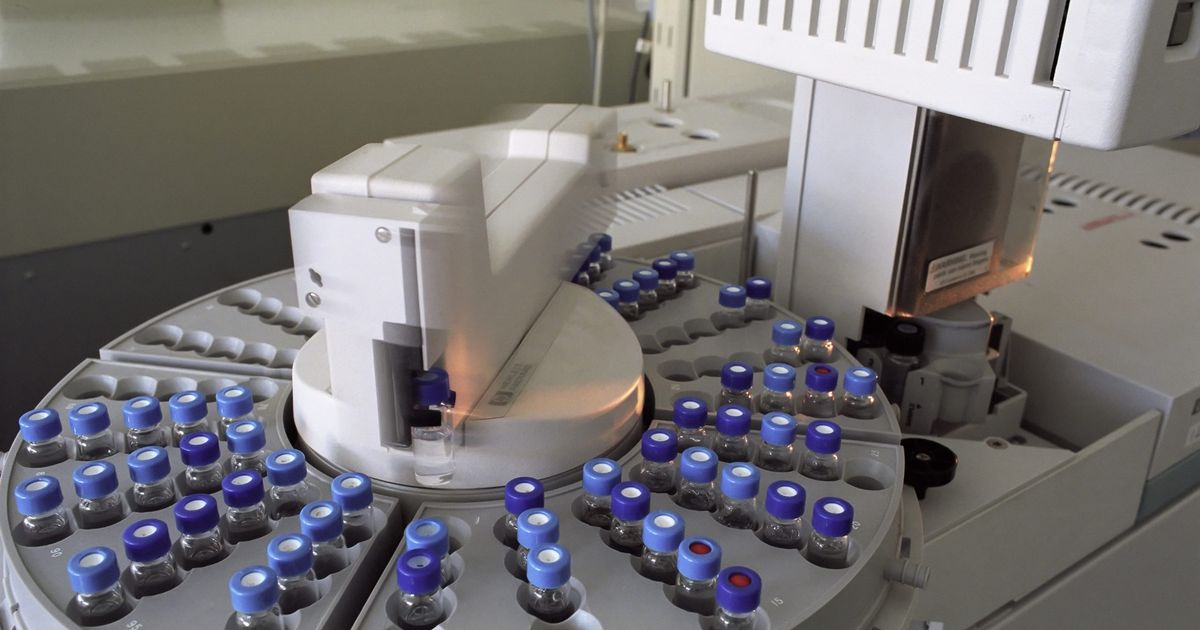
Peptide purity vs assay is one of the most common certificate of analysis misunderstandings in peptide research. Purity tells you how much of the detected chromatographic area belongs to the target peptide. Assay tells you how much target peptide content is actually present in the material, often after accounting for water, salts, counterions, and residual solvents.
Key Takeaways
- Peptide purity is usually a relative HPLC area percentage, not a direct measure of total peptide mass in the vial.
- Assay estimates actual target peptide content, so it may be lower than HPLC purity even when identity is correct.
- A strong peptide COA should pair HPLC purity with mass spectrometry identity and, where relevant, assay or content data.
- For research planning, purity helps assess impurity burden, while assay supports concentration, yield, and material-balance calculations.
- A “99% pure” peptide can still contain water, acetate, trifluoroacetate, or salts that affect assay value.
What does peptide purity vs assay mean?
Peptide purity is the percentage of detected peptide-related chromatographic signal assigned to the main peptide peak. Assay is the measured amount of the intended peptide in the total sample. The first is mostly about impurity profile. The second is about actual content, usually expressed as percent weight or labeled amount.
In practical terms, purity answers: “How clean is the peptide relative to detectable impurities?” Assay answers: “How much of the weighed material is the intended peptide?” A certificate may show 99.3% HPLC purity and 82% assay because the non-peptide portion includes water, counterions, or residual processing components.
Researchers reviewing third-party documentation should compare both values with identity confirmation. A good starting point is checking batch-specific documentation, such as the published reports on the Vital Aminos lab reports page, then matching the lot number to the vial or product record.
For synthetic peptide reference standards, purity calculations can separate HPLC impurities from other content factors, according to PMC. That distinction is the central reason purity and assay should not be treated as interchangeable numbers on a peptide certificate.
Why can a peptide be 99% pure but have a lower assay?
A peptide can be 99% pure by HPLC because nearly all detected UV signal belongs to the target peptide peak. The assay can still be lower because the total weighed material may include moisture, salts, acetate, trifluoroacetate, or other non-UV components that do not appear as peptide impurity peaks.
HPLC purity is often reported by area normalization. If the main peak accounts for 99% of the integrated UV area, the peptide is highly pure by that method. That does not prove that 99% of the vial’s dry weight is active target peptide.
Assay is affected by the full composition of the material. Lyophilized peptides frequently contain bound water and counterions from purification. Those components can be analytically acceptable, but they reduce peptide content on a weight basis. This is why assay matters for quantitative research design.
RP-HPLC has been used to determine peptide lot homogeneity, stability, identity, content, and purity, according to USP. The wording matters: content and purity are related quality attributes, but they are not the same analytical result.
How is peptide purity measured by HPLC?
Peptide purity is commonly measured by reversed-phase HPLC or UPLC with UV detection. The sample is separated across a chromatographic column, the detector records peaks, and software integrates peak areas. The main peptide peak area is then compared with total detected peak area under defined method conditions.
The method can reveal deletion sequences, truncated peptides, oxidation products, deamidation products, and other peptide-related impurities if the method separates them adequately. For research peptides, HPLC purity is often one of the first quality indicators buyers check before evaluating identity and content.
Vital Aminos emphasizes ≥99% HPLC verification for research-grade peptides, with third-party testing before release. Researchers comparing peptide options can start with the broader research peptide category and then inspect product-specific documentation where available.

HPLC purity is method-dependent. A peptide may look cleaner under one gradient, column chemistry, wavelength, or integration threshold than another. This does not make HPLC unreliable. It means the method parameters should be visible enough for an informed reviewer to judge the result.
UPLC-UV methods are used for synthetic peptide impurity tracking and product purity reporting, according to Waters. For peptide research purchasing, that supports a basic rule: purity claims are strongest when paired with a chromatogram, method context, and lot-specific documentation.
What does assay measure in a peptide certificate?
Assay measures the amount of intended peptide present in the sample, usually as a percentage of the total material or labeled claim. Depending on the method, it may rely on quantitative HPLC against a reference standard, amino acid analysis, qNMR, or another validated content method.
Assay is especially relevant when the research depends on accurate molar calculations. If a peptide is 99% pure but only 80% peptide content by assay, calculations based only on total weighed powder can overestimate the amount of target peptide available.
This matters for compounds supplied in milligram quantities. For example, researchers evaluating a lot-specific COA for BPC-157 10MG should separate three questions: Is the identity correct, is the material chromatographically pure, and does the content match the intended research requirement?
A simplified comparison helps:
| Quality attribute | What it answers | Common method | What it does not prove |
|---|---|---|---|
| HPLC purity | How much detected signal is the main peptide peak? | RP-HPLC or UPLC-UV | Exact peptide mass in the vial |
| Assay | How much target peptide content is present? | Quantitative HPLC, qNMR, amino acid analysis | Full impurity profile by itself |
| Mass spectrometry | Is the molecular mass consistent with the target? | MS or LC-MS | Quantity or purity by itself |
| Endotoxin testing | Is endotoxin below a stated threshold? | LAL or equivalent method | Peptide identity or assay |
Which number matters more in peptide purity vs assay?
Neither number is universally more valuable. Purity matters most when impurity burden, degradation, and sequence-related byproducts are the main concern. Assay matters most when exact content, molar concentration, or material balance is the main concern. Sound review uses both, plus identity testing.
For non-clinical peptide research, the decision depends on the experiment. Screening work may prioritize high chromatographic purity to reduce confounding impurity effects. Quantitative binding, stability, or dose-response models may require stronger content information so calculations reflect the amount of target peptide present.
Researchers working with metabolic pathway compounds, such as Retatrutide 20MG, should read purity and assay in context. Larger or more complex peptides can produce analytical challenges that make method transparency especially valuable.
A practical hierarchy looks like this: identity first, purity second, assay when quantitative accuracy matters, and endotoxin or sterility-related data when the research protocol requires it. A beautiful purity number cannot rescue an identity mismatch. A strong assay number cannot describe all impurity peaks.
How should researchers read COAs and lab reports?
Researchers should read a peptide COA as a set of linked evidence, not as a single headline number. Start with lot number, identity, HPLC purity, chromatogram, assay or content value if supplied, test date, laboratory name, and any endotoxin or residual-solvent data relevant to the intended protocol.
First, confirm the certificate belongs to the same batch. Lot mismatch is a simple but serious review failure. Next, confirm that mass spectrometry supports the expected molecular weight. Then inspect the chromatogram and purity percentage together, since the visual trace helps contextualize the integrated value.
Vital Aminos publishes HPLC analysis, mass spectrometry, and endotoxin reports so Canadian researchers can verify batch quality directly. For questions about batch documentation, the contact page is the appropriate route for specific report or lot inquiries.
Use this quick COA review checklist:
- Match the lot number on the vial, product page, and COA.
- Confirm molecular identity with mass spectrometry data.
- Check HPLC purity percentage and chromatogram quality together.
- Look for assay or peptide content when quantitative calculations matter.
- Review endotoxin or residual data if the protocol requires those controls.
- Treat missing method context as a reason to ask follow-up questions.
What mistakes cause confusion between purity and assay?
The most common mistake is treating HPLC area percent as if it equals vial content. Other errors include ignoring counterions, assuming mass spectrometry proves purity, comparing certificates generated by different methods, and using a “99%+” claim without reviewing the actual chromatogram or lot-specific documentation.
Another frequent error is assuming that all non-peptide mass is contamination. Some non-peptide components are expected consequences of synthesis, cleavage, purification, lyophilization, or salt form. Their presence can reduce assay without necessarily indicating a failed purity result.
Legal and intended-use context also matters. Research peptides are not dietary supplements or medicines. Buyers should review the supplier’s terms, including the legal disclaimer and terms of use, before purchasing or handling any research material.
The cleanest interpretation is this: purity describes the impurity signal profile, assay describes content, and identity confirms the molecule. When all three align with the research protocol, the certificate becomes more useful than any single headline number.
Frequently Asked Questions
Peptide purity vs assay questions usually come from reading COAs, chromatograms, and product labels side by side. The short answers below clarify the most common interpretation problems without replacing lot-specific review, method evaluation, or laboratory quality procedures.
Is 99% HPLC purity the same as 99% peptide content?
No. A 99% HPLC purity result usually means the main peptide peak represents 99% of detected chromatographic area under that method. It does not automatically mean that 99% of the weighed vial material is target peptide. Water, counterions, and salts can lower assay content.
Why is mass spectrometry not enough by itself?
Mass spectrometry helps confirm molecular identity by checking whether the observed mass matches the expected peptide. It does not quantify all impurities or measure total peptide content by itself. A strong COA typically pairs MS identity with HPLC purity and, when needed, assay data.
Should researchers prioritize assay or purity for calculations?
For concentration and molar calculations, assay or peptide content is usually more relevant than HPLC purity alone. Purity remains valuable because impurities can affect interpretation. The best practice is to use assay for amount calculations and purity for impurity-burden assessment.
What should be on a strong peptide COA?
A strong peptide COA should include lot number, product identity, test date, HPLC purity, chromatogram, mass spectrometry confirmation, laboratory details, and relevant safety or quality tests. Assay or peptide content is especially useful when the research requires accurate quantitative preparation.
Can two labs report different purity values for the same peptide?
Yes. HPLC purity can vary with column chemistry, gradient, wavelength, sample preparation, integration settings, and impurity separation. Different results do not automatically mean one lab is wrong. They mean the methods should be compared before interpreting the numerical difference.